Why Weeds Keep Returning Even After You Pull Them
If you're yanking weeds only to see them again a few weeks later, you're not alone. Many Rockmart homeowners face the same cycle each spring and late summer. In short, pulling targets what you can see, not what's driving the problem below the surface. Here's what's really happening in your yard and how professional weed control services in Rockmart break the pattern for good.
Homeowners around Rockmart, Aragon, and Cedartown often try hand-pulling first because it feels quick and simple. The trouble is that lawn weeds are built to survive. Some regrow from deep taproots, others creep sideways under the soil, and many more sprout from a huge seed bank you can't see. That's why many residents start with our weed control services to map out a season-long plan that stays ahead of the next wave.
The Hidden Seed Bank Keeps Feeding New Weeds
Pulling removes the top growth, but it doesn't touch the thousands of dormant seeds already in your soil. Those seeds came from last year's weeds, nearby lots, wind, birds, and even mower clippings. Given the right light, temperature, and moisture, they'll germinate in cycles throughout the year. That's why you can clear a bed in April and still see a fresh flush by June.
- Annual weeds like crabgrass and spurge produce large numbers of seeds that can remain viable for years.
- Cool-season invaders such as henbit and annual bluegrass often sprout during fall and winter warm-ups common in northwest Georgia.
Because the supply of seeds is so large, one afternoon of pulling can't stop the next wave. It takes a coordinated plan that times pre-emergent and post-emergent treatments with Rockmart's seasonal patterns.
Roots, Rhizomes, and Stolons Make Pulling Ineffective
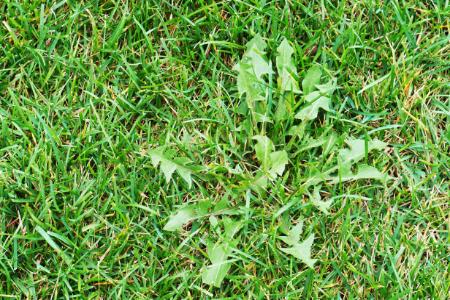
Some of the most stubborn lawn weeds don't rely on seeds alone. Yellow nutsedge, kyllinga, and certain grassy weeds spread by underground structures. If a fragment is left behind, the plant can regrow faster than before. Even broadleaf weeds like dandelion send up a new top if any part of the taproot survives.
Partial pulls can train deep-rooted weeds to branch and come back thicker. What looks like a win above ground can be a setback below ground, which is why targeted products and consistent follow-ups matter.
Timing is Everything in Weed Control
Many homeowners pull weeds when they notice them, which is usually after the plant has matured. By that time, some have already dropped seed. Pre-emergent control must be in the soil before seeds wake up, and post-emergent products work best at specific growth stages. Rockmart's weather—warm springs, hot summers, and periodic fall warm spells—creates several windows for new germination. If timing slips by a few weeks, you can miss the sweet spot and end up chasing growth that's already spreading.
Disturbed Soil Invites New Germination
Every time you tug a weed, you loosen soil and bring buried seeds closer to light. That disturbance can kick off a new round of sprouting. Beds near sidewalks on Marble Street or along the Silver Comet Trail often see this pattern because foot traffic and edging constantly expose fresh soil.
Thin Turf and Bare Spots Open The Door
Weeds find the easiest path. Thin Bermuda or fescue around mailbox posts, shaded corners, or high-traffic play areas gives them room to establish. Once they take hold, they shade out grass, leaving even more open space. A strong lawn canopy is nature's best weed block, but it takes the right fertility, mowing height, and watering schedule to keep it dense.
Water and Nutrients Out of Balance
Overwatering and underwatering both stress turf and help weeds. Shallow, frequent watering favors shallow-rooted species that love damp soil, like sedges and kyllinga. Excess nitrogen at the wrong time can also tip the balance toward fast-growing invaders.
Consistent moisture management beats random deep soaks or daily sprinkles that lead to stress and patchy growth. In Rockmart's summer heat, that balance changes quickly after thunderstorms, so monitoring matters.
Mowing Habits Can Work for or Against You
Cutting too short scalps the lawn and exposes soil, while letting grass grow too tall invites weak, floppy blades that don't compete well. Dull mower blades tear grass and create jagged edges that lose moisture and recover slowly. Weeds thrive in those gaps. Setting the right height for your grass type and keeping blades sharp are small details with big results over a season.
Landscape Beds and Edges are Weed Launchpads
Mulch is helpful, but if it's too thin or not refreshed, sunlight reaches the soil and triggers new sprouts. Edging lines along driveways in Rockmart neighborhoods like The Villas at Wentworth can become seed-catching channels. Creeping species use those edges as highways into the lawn.
Neighbors, Wind, and Pets Keep Seeds Moving
Even with great habits, seeds still travel. Blustery days move dandelion and crabgrass seeds down the block, pets carry hitchhikers in their fur, and mowers spread clippings if not managed carefully. That doesn't mean you can't win. It just means your plan should include prevention, spot treatments, and checks after major weather swings.
Local Insight: Many common lawn weeds in northwest Georgia begin germinating when soil temperatures hold in the mid-50s for several days. After a warm spell or a heavy rain, expect a fresh flush and schedule follow-up checks before seeds mature.
Common Weeds You're Likely Seeing
While every yard is different, these repeat offenders show up often across Polk County lawns and beds:
- Crabgrass, goosegrass, dallisgrass, and annual bluegrass in thinned turf.
- Spurge, chickweed, henbit, oxalis, and Virginia buttonweed in beds and open soil.
- Yellow nutsedge and kyllinga in areas that stay damp or overwatered.
Each behaves differently, which is why a one-size-fits-all approach rarely works. The right solution targets the specific plant, growth stage, and location in your yard.
How Professional Weed Control Services Stop the Cycle
The reason weeds keep returning after you pull them is simple: there's always another source of regrowth—seeds, roots, or both. Professional programs tackle all three. Rather than reacting to each new sprout, a well-built plan layers controls and builds turf strength so weeds have fewer chances to take hold.
Here's what that looks like when done right around Rockmart's climate:
- Strategic pre-emergent applications before key germination windows in spring and fall.
- Selective post-emergent treatments for broadleaf, grassy, and sedge weeds at the most vulnerable stages.
- Turf health support with timed fertilization that strengthens grass without overfeeding weeds.
- Soil-focused improvements like aeration recommendations to reduce compaction in our red clay.
- Overseeding plans for cool-season areas or density-building strategies for warm-season turf.
- Regular monitoring and adjustments after heavy rain, heat waves, or sudden cold snaps.
Skipping pre-emergent or delaying spot treatments can turn one small patch into months of pull-and-repeat. A consistent schedule is the key difference between temporary relief and lasting control.
What You Can Expect From Hometown Lawn and Pest's Approach
Our team focuses on clear communication and steady results. From the first visit, we identify the specific weeds on your property, note trouble zones like shaded corners or soggy spots, and map a calendar that fits Rockmart's growing seasons. We return on a schedule that keeps pressure on weeds and supports your lawn so it can outcompete new arrivals.
If a stubborn area needs extra attention, we flag it for follow-up and adjust the plan. We're local, so we watch weather swings that commonly trigger outbreaks, like early spring warm-ups or late summer storms. With steady service, most homeowners see fewer weeds each season because the seed bank gets smaller and roots lose ground.
Why Pulling Alone Doesn't Add Up
It's tempting to keep a hand weeder by the back door and call it a day. But Rockmart's mix of warm- and cool-season weeds, plus our clay-heavy soils, means pulling is a short-term fix. It doesn't build a shield for next month or next season. A planned program closes the gaps, supports turf health, and reduces the number of seeds that ever become plants.
Signs Your Yard Needs A Program, Not Just Pulling
Watch for these patterns that point to an underlying weed cycle rather than a few isolated sprouts:
• New weeds appear in waves after rain or mowing.
• The same species keeps popping up in the same spots.
• Thin turf around edges and high-traffic areas never seems to fill in.
If you're fighting repeat outbreaks, it's a signal that the roots or seed bank are still in control. That's the moment when a season-long plan makes the biggest difference.
Rockmart Weather and Your Lawn
Northwest Georgia sees hot, humid summers and mild winters with frequent temperature swings. Those shifts create several germination windows a year. Spring growth often starts earlier than expected, and late summer heat followed by storms can push another surge. Beds along driveways and sidewalks warm faster than open lawn, which is why you might see weeds there first. Factoring in these local patterns helps time treatments so they do the most good.
Ready to Break the Cycle for Good?
When weeds keep coming back after you pull them, it isn't a reflection on your effort. It's how these plants survive. A proactive plan reduces the seed bank, targets deep roots, and strengthens your turf so it can win the daily competition for space and light. If you're weighing your options in Polk County, start with a conversation about your goals and the trouble spots you notice most.
For reliable weed control services in Rockmart, call 678-988-1510 to schedule your visit with Hometown Lawn and Pest. We'll build a simple, seasonal plan that matches our local weather and your lawn's needs.
Our Service Areas
Hometown Lawn and Pest is proud to serve homeowners and businesses throughout the communities we call home. Our local roots give us an understanding of the lawn and pest concerns property owners encounter throughout this part of Georgia, and we're committed to providing the personalized attention you'd expect from a small, locally operated company. Browse our service areas below to see where we work, and if you don't see your city listed, give us a call to ask whether we can provide service at your property.
View All Service AreasOur Complete Services
Our personalized programs allow us to focus on the services your property actually needs rather than forcing every customer into the same plan. Because lawn health and pest activity can change from season to season, year-round service options provide a practical way to stay attentive to new concerns as they develop. Explore our lawn and pest services below to find the right place to start for your property.
Pest Control
View All Pest ControlLawn Care
View All Lawn Care Services