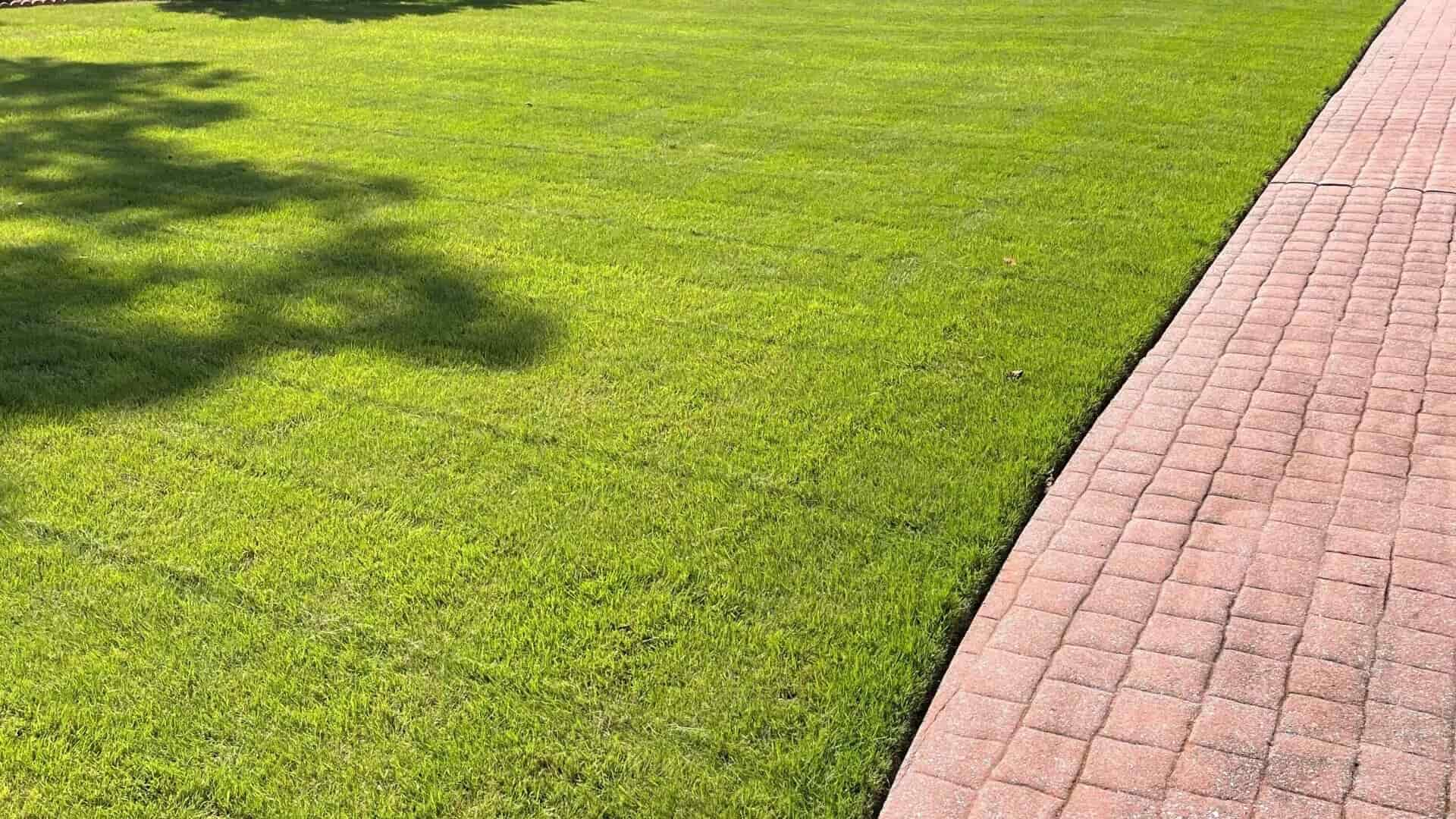
5 Signs Lawn Insects Are Damaging Your Grass

If your lawn in suddenly looks tired, thin, or patchy, the culprit may be insects rather than drought or disease. Knowing the early warning signs helps you protect your turf before the damage spreads. When insects strike, targeted lawn insecticide treatments applied by a licensed pro can stop the problem fast and support healthy regrowth across the season.
Northwest Georgia lawns often feature Bermuda, Zoysia, and Tall Fescue. Our hot summers, periodic thunderstorms, and mild fall weather create a perfect window for pests like fall armyworms, sod webworms, and white grubs. Below are five telltale signs to watch for, along with quick context to help you separate insect injury from other issues.
1) Rapid Brown Patches That Ignore Watering
When you water consistently, but brown or straw-colored areas keep expanding, insects may be feeding on leaves or roots. Chewing pests such as fall armyworms and sod webworms can thin a healthy stand of grass in days, often starting along sunny edges, driveway borders, or newly sodded spots.
Unlike drought stress, which usually improves after a soaking, insect damage continues to worsen even after rainfall. You might notice a sharp line between green and tan turf, almost like someone took scissors to the lawn. That hard edge is a classic clue that something is actively feeding.
2) Birds, Armadillos, or Skunks Digging Overnight
Grubs are beetle larvae that feed on turf roots. Wildlife love them. If you wake to fresh peck marks, flipped sod, or shallow tunnels where animals hunted overnight, that activity can point to a heavy grub population under the surface. In Rockmart and nearby communities, this often peaks from late summer into fall when soil stays warm.
Persistent animal foraging usually means there is enough food to keep them coming back. Surface damage is frustrating, but hidden root feeding weakens turf and invites weeds later.
3) Thinning Turf That Lifts Like A Loose Carpet
Dense roots anchor healthy turf. When grubs chew those roots, the lawn may detach from the soil. If a section lifts easily and exposes soil with C-shaped larvae present, that is strong evidence of grub activity. You might also notice the area dries out faster since there are fewer roots to hold moisture.
This kind of injury often starts in sunny, well-irrigated areas where adult beetles prefer to lay eggs. Left alone, the patch can spread and require time to recover. Professional assessment will confirm the pest and the best timing for control.
4) Chewed Leaf Tips, Green Clippings, or Tiny Pellets
Leaf-feeding insects leave clues on the surface. Look for ragged, window-pane chewing on blades, small piles of fresh green clippings, or pepper-like droppings called frass on the soil. With fall armyworms, lawns can seem to fade overnight after a late-day feeding rush, especially in Bermuda and Zoysia.
These clues are easiest to spot near sidewalks, play sets, and sunny slopes where activity concentrates. A quick check around dusk can reveal more damage than you noticed at noon.
5) Visible Insects in Thatch or At Dusk
When you part the grass and see small caterpillars or webbing, or you notice low-flying moths hovering over the lawn at dusk, you are seeing the insect life cycle in action. Some pests hide in thatch layers during the heat of the day and feed in cooler evening hours.
While it is tempting to spray whatever is on hand, do not blanket the lawn with a general bug spray without proper identification. The right product and timing matter, and misapplication can harm beneficial insects or miss the target entirely.
Local insight: In Rockmart and across northwest Georgia, fall armyworms often surge after warm, rainy periods in late summer. If you spot birds flocking to the yard and fresh clipping piles on the blades, schedule a prompt inspection. Keep children and pets off treated areas until the application has dried completely.
Why Early Action Saves Your Lawn
Leaf-chewing insects can scalp a healthy lawn fast, and root feeders quietly thin turf from below. Catching problems early helps you keep more of your existing grass, which means less time spent coaxing bare spots back. Act quickly when you notice fast, uneven thinning or expanding brown patches, because delay gives pests time to multiply and move.
Early, targeted control also helps protect your landscape investment. It reduces the chance that stressed turf will open the door to opportunistic weeds later in the season.
Common Lawn Pests in Northwest Georgia
Several insects show up regularly in the Rockmart area. A professional will confirm exactly what is present, but these are the usual suspects:
- Fall armyworms: Fast leaf feeders that can strip Bermuda and Zoysia during late summer and early fall.
- White grubs: Root feeders that weaken turf and invite animals to dig for a meal.
- Sod webworms: Night feeders that leave notched blades, small clippings, and thinning in sunny areas.
- Mole crickets: Tunnelers that disturb roots and soil structure, more common in open, sunny, and sandy spots.
If a technician confirms one of these pests, they'll tailor a plan for your grass type and season. This is where professional lawn insecticide treatments make the difference, since products and timing vary by insect stage and weather.
How A Pro Confirms the Problem
A trained eye looks for patterns that tell a story. Pros compare sunny versus shaded areas, inspect the thatch layer, check edges near hardscapes, and evaluate how the turf responds after irrigation. If root injury is suspected, they'll examine below the surface to see whether roots are intact or chewed back.
Correct identification helps avoid wasted applications and protects beneficial insects. It also lets your technician choose a product that targets the right life stage, whether that is a contact knockdown for active feeders or a soil application aimed at larvae.
Timing Matters
In our climate, insect pressure often rises from late spring through early fall. Armyworms and webworms tend to peak in late summer when evenings are warm, while grub injury can appear as roots are chewed in mid to late season. Rain followed by heat can speed up life cycles, so a lawn that looked fine on Monday can show visible chewing by Friday.
Because timing is critical, treatments are most effective when applied at or just before peak feeding. Your technician will factor in grass type, recent weather, and the stage of the insects to plan the visit.
What to Watch for Each Week
You do not need to diagnose the exact pest, but keeping an eye on patterns helps your pro help you. During peak season, scan your lawn once a week for these changes:
- New brown or tan areas that expand even after watering or rain.
- Fresh peck marks, flipped sod, or animal digging first thing in the morning.
- Ragged leaf tips, tiny green clippings, or pepper-like pellets on the soil.
- Low-flying moths at dusk or visible caterpillars hiding in the thatch layer.
If you see two or more of these signs at once, it is time to schedule a professional evaluation. Coordinated control limits spread and protects neighboring areas of the yard.
Healthy Turf Supports Faster Recovery
Even the best product works better when the grass is poised to rebound. Thick, well-rooted turf shades the soil, competes with weeds, and is more resilient after feeding damage. That is why insect control and cultural care go hand in hand.
If broadleaf or grassy weeds are also competing with your turf, our weed control services can be coordinated with insect control as part of a seasonal plan. Pairing strategies let your lawn recover evenly while keeping pressure low through the rest of the year.
When to Call Hometown Lawn and Pest
As soon as you notice rapid changes, reach out to schedule a visit. A licensed technician will confirm the pest, outline a treatment plan, and explain what to expect as the lawn recovers. If needed, they will recommend follow-up inspections to check progress and keep pressure from returning.
Ready to stop insects from damaging grass and protect your curb appeal? Book targeted lawn insecticide treatments with Hometown Lawn and Pest today or call 678-988-1510.
Our Service Areas
Hometown Lawn and Pest is proud to serve homeowners and businesses throughout the communities we call home. Our local roots give us an understanding of the lawn and pest concerns property owners encounter throughout this part of Georgia, and we're committed to providing the personalized attention you'd expect from a small, locally operated company. Browse our service areas below to see where we work, and if you don't see your city listed, give us a call to ask whether we can provide service at your property.
View All Service AreasOur Complete Services
Our personalized programs allow us to focus on the services your property actually needs rather than forcing every customer into the same plan. Because lawn health and pest activity can change from season to season, year-round service options provide a practical way to stay attentive to new concerns as they develop. Explore our lawn and pest services below to find the right place to start for your property.
Pest Control
View All Pest ControlLawn Care
View All Lawn Care Services